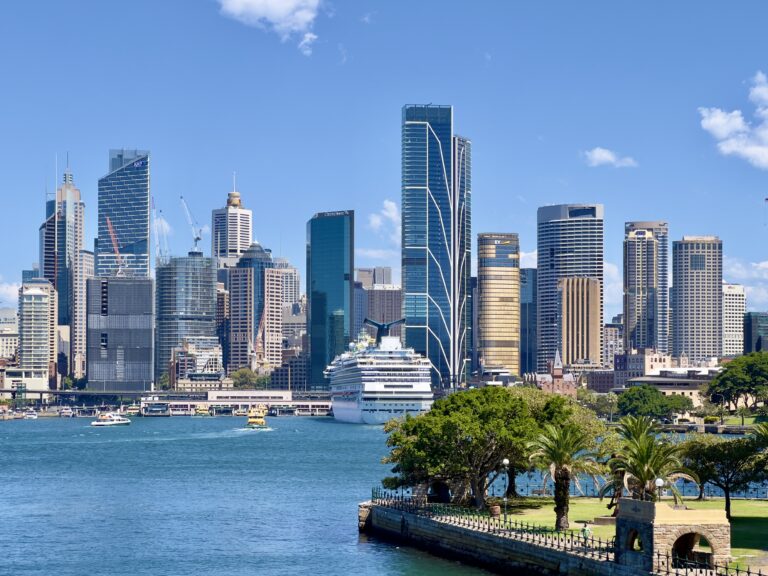
Leaving Australia for FIRE: The 9-Country Shortlist (With Real Numbers)
Updated August 2026 — key figures refreshed to current tax year and program values.
Disclosure: The views expressed in this post are the opinions of the author and are intended for general informational and educational purposes only. They do not constitute financial, tax, legal, or migration advice. Tax laws change. Visa rules change. Verify independently and consult qualified professionals before making any decisions. Full disclaimer →
Most of the content about leaving Australia for financial independence is written by one of two people.
The first is the 26-year-old who moved to Bali for six months and has opinions about everything. The second is the migration agent who will happily take $8,000 to tell you things you could find for free — and who has a commercial interest in recommending the most complex visa possible.
I am neither of those people. I am someone who spent roughly 200 hours building a framework for this decision, running numbers across nine countries, and stress-testing the conclusions against the real constraints that apply to a typical professional household — Australian, British, Canadian, American, or New Zealand — with between $300K and $2M in investable assets.
If that sounds like you, this is the framework for deciding whether and how to retire abroad from Australia.
What follows is a compressed version of that framework, plus the shortlist it produced. This guide uses Australian dollar figures and ATO tax references throughout, but the 9-criteria framework and every destination entry apply equally to readers in the UK, Canada, the US, and New Zealand. The geo-arb maths is not country-specific — only the tax-exit mechanics differ.
I’ll tell you upfront: there is no universally correct answer. The right country for a single 38-year-old software engineer with no dependants and $800K in a mixed portfolio is different from the right country for a couple in their mid-40s with two school-age kids, a business, and $1.8M split across super and ETFs. But the criteria for evaluating the question are largely the same. Once you have those, you can run your own numbers. This guide to leaving Australia for FIRE gives you exactly those criteria.

Why Leaving Australia Makes the Math Work
The honest version of this question doesn’t start with “Australia is bad.” It starts with maths.
Australia has a marginal tax rate of 45% above $190,000 — before the Medicare levy. For a professional household where two people each earn $150,000, the effective tax rate on the household sits in the high 30s. Add GST, stamp duty, land tax, council rates, and what I call the “comfort tax” — the invisible premium Australians pay simply for being Australian (housing, groceries, utilities, insurance, childcare) — and you are living in one of the most expensive-to-be-alive countries in the world.
That’s not inherently the problem. The problem is what it does to your financial independence timeline.
At a household income of $280,000 (two professionals), after tax and living costs in Sydney or Melbourne, a genuinely frugal couple might save $80,000–$100,000 per year. Their Freedom Number, at $120,000/year in expenses, is $3 million. At $100K/year saved, they reach it in roughly 18 years — assuming 7% real return and consistent contributions.
This is the timeline math that makes people seriously consider whether to retire abroad from Australia rather than wait out two more decades of full-rate tax at home.
The same household, structured correctly on a D7 passive income visa in Portugal, could live comfortably on approximately AUD $80,000 per year and — under NHR 2.0 for qualifying residents — pay 0% on most foreign-sourced income during their first ten years. If they maintain some remote income, the position improves further.
That’s not a marginal lifestyle tweak. That is potentially 8–10 years removed from the timeline, with an objectively higher quality of daily life by most non-financial measures.
Geo-arbitrage — using the spread between where your money is earned (or invested) and where it is spent — is not a loophole. It is a mathematically-available option that most people never take because the default roadmap never factored it in.
The 9 Criteria I Used for Leaving Australia for FIRE
The first mistake people make when researching this is starting with the destination. “I love Barcelona. Maybe I should move to Spain?” is how you end up in a country that suits your holiday preferences but breaks apart under the real pressures of visa expiry, tax residency compliance, school search, and the healthcare situation you didn’t research until you needed it.
The second mistake is optimising for a single variable — usually tax — without accounting for the eight other factors that determine whether a country is liveable for a decade.
Here are the nine criteria that matter, in rough order of how frequently they cause expat moves to fail.
Get these nine right and leaving Australia for FIRE becomes a structured decision rather than a leap of faith.
1. Tax regime stability and treaty network. Not just “low tax today.” The question is: will this still be true in 2035? And is there a double-taxation agreement with Australia so you’re not paying twice? A country with a 0% rate and no DTA is more fragile than one with a 20% flat rate, a ten-year legislative guarantee, and a functioning treaty network. Stability of the regime matters as much as the rate itself.
2. Visa pathway you can actually qualify for. Every country on this list has accessible visa options for Australians. But “accessible” depends on your income type (passive vs remote-employed vs self-employed), your asset level, and whether you have dependants. Be precise about your numbers when you evaluate this.
3. Healthcare for the person you’ll be at 60, not 38. You won’t be the same body in twenty years. The question is whether the country has world-class private healthcare — and whether you can afford the insurance to access it. Some destinations look cheap until you price comprehensive expat health cover for a household.
4. Currency stability. Your portfolio is in AUD. Your rent is in local currency. If the local currency has depreciated 30% against the AUD over the past decade, the “cheap cost of living” is partly a mirage. Prioritise EUR, USD, or currencies with demonstrably stable long-run trajectories.
5. Political and institutional stability. Can you reasonably expect the visa you hold today to still be honoured in 2040? Does the rule of law apply meaningfully to foreign residents? Are property rights functional? This filters out some otherwise attractive options.
6. Climate in the worst month, not the best. The single biggest predictor of expat regret is climate mismatch. Everyone researches the peak season. Almost nobody researches what February feels like. Every destination on this list has at least one genuinely difficult period — know what that period looks like before committing.
7. Language and cultural friction. This compounds over time. Being functionally illiterate in a language after three years of living in a country is a particular kind of exhausting that people consistently underestimate in advance. Honestly assess whether you will learn the language, and weight destinations accordingly.
8. Home country community and direct flight access. Underrated by everyone who hasn’t done this. A functioning expat community from your home country provides a soft landing, shared knowledge on visa and tax questions, and people who understand your cultural reference points. Every destination on this list has an established Australian, British, Canadian, or American expat presence — the size varies significantly by location. Direct flights — or close to it — determine whether you actually maintain the relationships that matter to you.
9. Exit options. The worst-case test: if you move and it doesn’t work after three years, can you leave? Can you get your capital out? Are there capital controls, or a visa that requires a locked-in financial commitment you can’t recover? Test the downside before you commit to the upside.
The Shortlist: 7 Countries to Retire Abroad From Australia (That Survive the Filter)
🇵🇹 Portugal

The most popular choice among Australian FIRE-seekers — and the popularity is earned. NHR 2.0/IFICI provides favourable tax treatment on qualifying income for ten years. Multiple visa pathways exist: D7 passive income visa for FIRE candidates, D8 for remote workers, IFICI for qualifying professional fields. EU residency. World-class private healthcare. Growing Australian community in Lisbon and Porto.
Numbers: Single — €2,200–€3,000/month. Couple — €3,200–€4,500. Family with school — €6,500–€10,000.
🇪🇸 Spain

The Beckham Law offers 24% flat tax on Spanish-source income for six years. Foreign capital gains and dividends largely outside Spanish taxation during the regime. Madrid’s quality of life and infrastructure are genuinely world-class.
Numbers: Single — €2,400–€3,200/month. Couple — €3,500–€4,800. Family — €7,000–€11,000.
🇲🇾 Malaysia
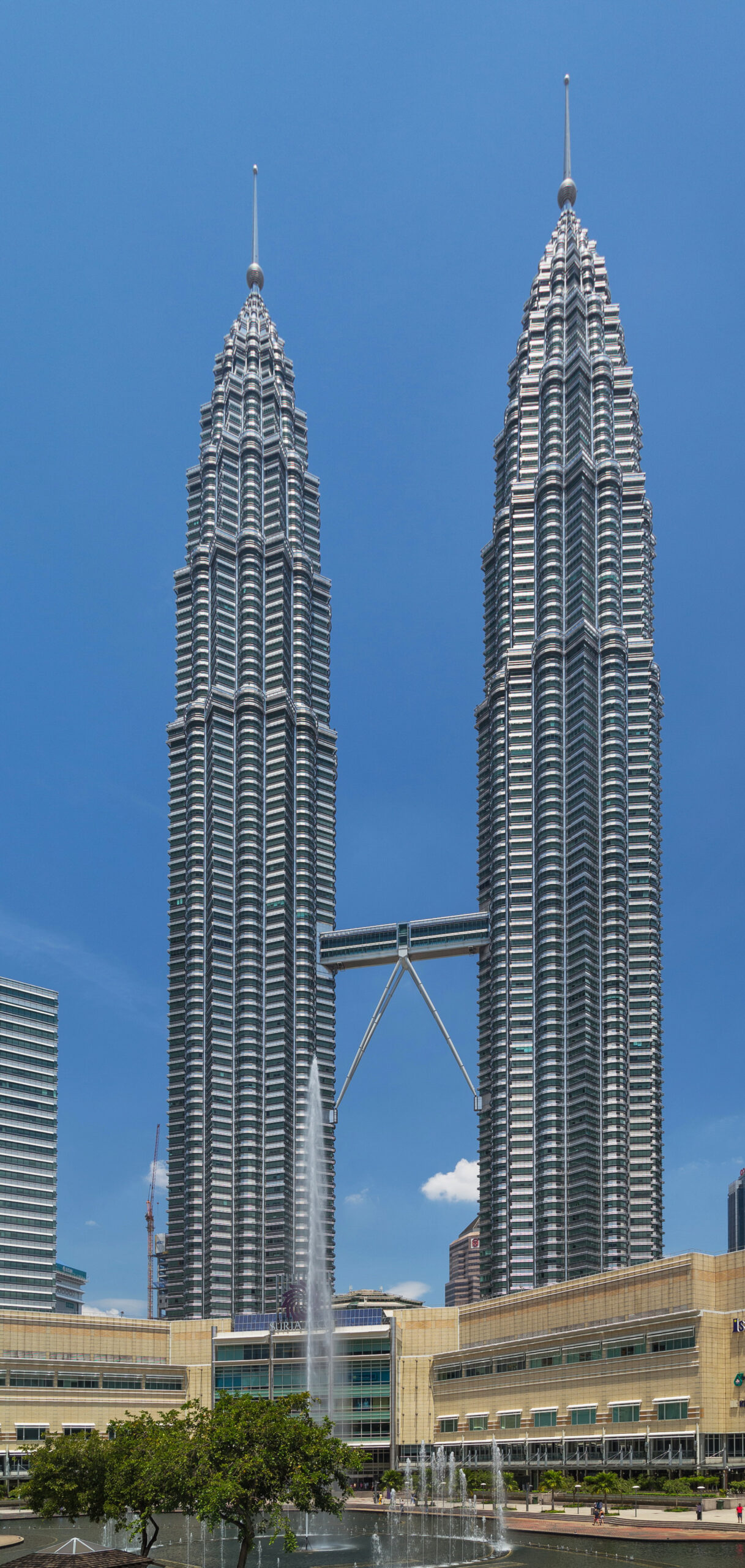
Territorial taxation. English is the functional language of daily life. World-class private healthcare in Penang at a fraction of Australian costs. MM2H visa is indefinitely renewable.
Numbers: Single — AUD $2,000–$2,600/month. Couple — AUD $2,800–$3,800.
🇹🇭 Thailand

Lowest cost-of-living. LTR visa Wealthy Global Citizen category — $1M in global assets (incl. a $500K qualifying investment in Thailand) — exempts foreign-sourced income remitted to Thailand from Thai tax; the old $80K/year income test was dropped in 2025. (A separate 17% flat tax applies only to the LTR’s Highly-Skilled Professional category, on Thai-sourced employment income — a different category and benefit.) Bangkok’s Bumrungrad Hospital ranks in global top 50.
Numbers: Single — AUD $1,800–$2,400/month. Couple — AUD $2,500–$3,400.
🇦🇪 UAE
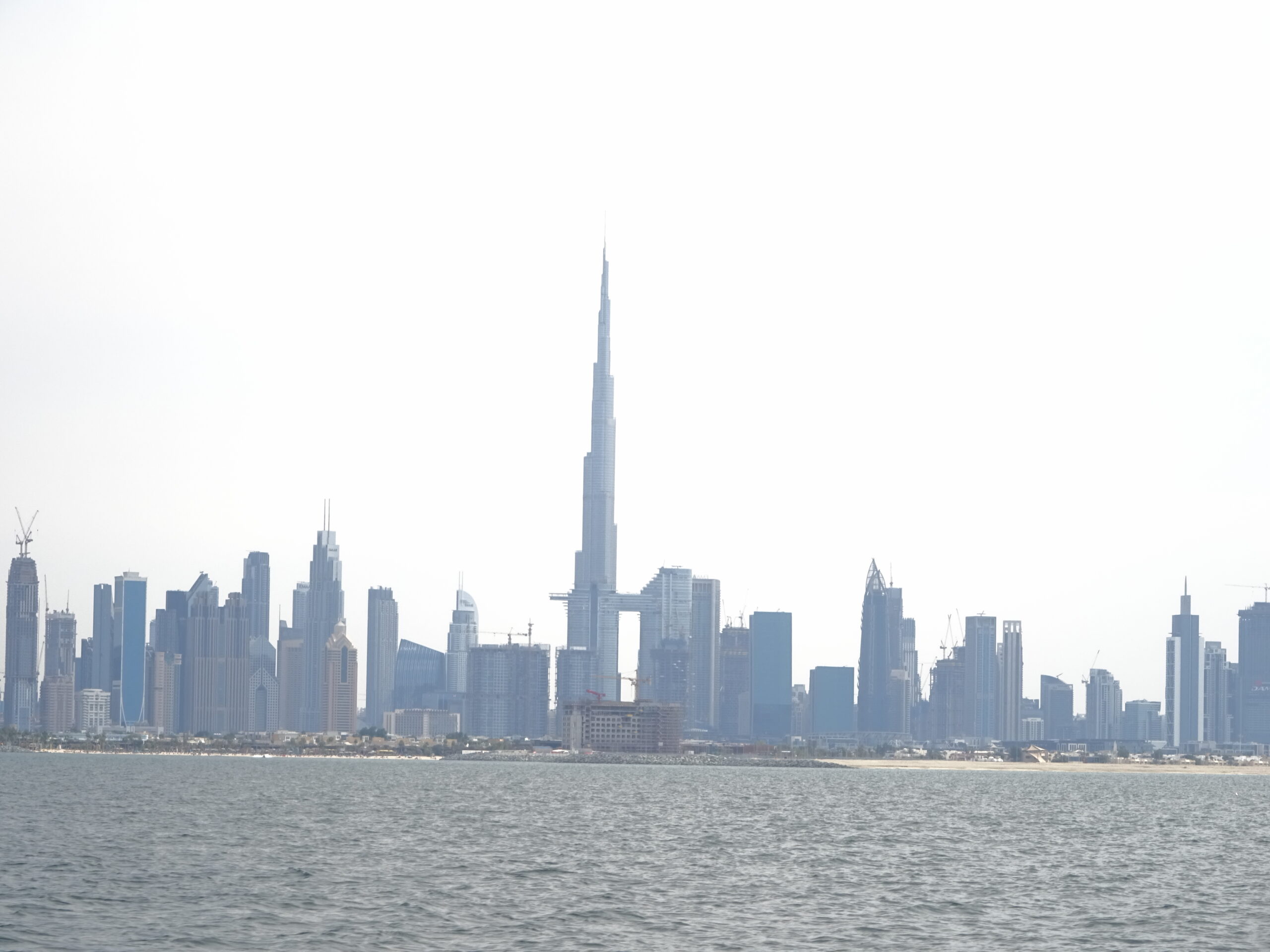
Zero personal income tax. Zero CGT. Zero inheritance tax. Dirham pegged to USD. Direct flight from Sydney. For high-income earners who can afford the cost of living, Dubai occupies a category of its own.
Numbers: Single — AUD $5,500–$8,000/month. Couple — AUD $8,000–$12,000.
🇨🇾 Cyprus
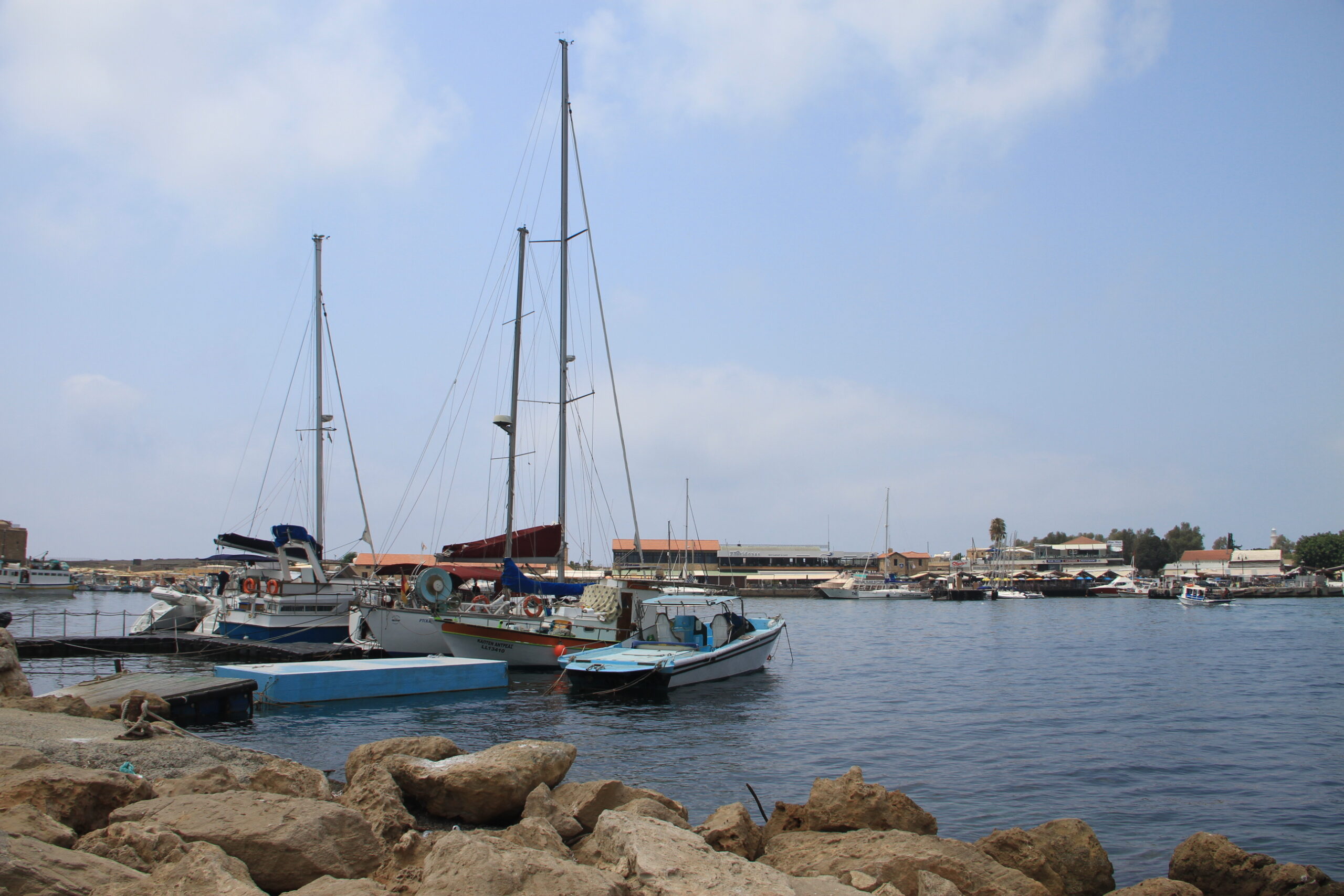
EU member. Non-Dom regime exempts dividends and investment income from the 5% Special Defence Contribution (cut from 17% in Cyprus’s 2026 tax reform) for 17 years. 0% CGT on most disposals. Mediterranean climate.
Numbers: Single — €2,600–€3,400/month. Couple — €3,800–€5,200.
🇨🇷 Costa Rica

Pensionado visa requires only USD $1,000/month passive income. Foreign-sourced income is territorial. Politically stable democracy. No military since 1948.
Numbers: Single — AUD $2,600–$3,400/month. Couple — AUD $3,500–$4,800.
What I’m Building
I’m packaging the complete methodology — nine-criteria scoring model, destination deep-dives, tax residency cutover playbook, visa pathway guides — as a course called The Freedom Multiplier. Join the waitlist →
— The Founder
Here’s how I can help:
1. The FIRE Calculator — Free.
2. The Life Energy Calculator — See what your next purchase really costs in hours of your life. Free.
3. The Freedom Number Challenge — Free.
© The Freedom Number. General information only. Full disclaimer → | Affiliate disclosure →
Related Reading
Ready to find your Freedom Number?
The Complete FIRE Starter Guide — a 32-page playbook plus the editable FIRE Tracker spreadsheet. Your number, your timeline, your Coast FIRE and geo-arbitrage plan. Any country, any currency.
Get the guide — $27 →FIRE Blueprint